Guest article provided by tangledtech.com

Photo By Pixabay

Modern life is stressful. Between messages, notifications, news headlines and work deadlines – there’s never a break. This increases mental exhaustion with each passing day. You could put forward a case for putting your phone down and switching off your TV more often, but that’s easier said than done. We crave entertainment, in any form we can get it. So sometimes, a more effective way to calm our mind is by giving it a fun distraction.


Puzzles do exactly that.


Puzzles give your brain a clear task. There’s a question in front of you that you need to answer. It’s something interesting and entertaining to focus on that’s not life-altering. Completing one brings you joy, but if you can’t manage it – nothing bad happens. This is in stark contrast to most decisions we make on a daily basis.


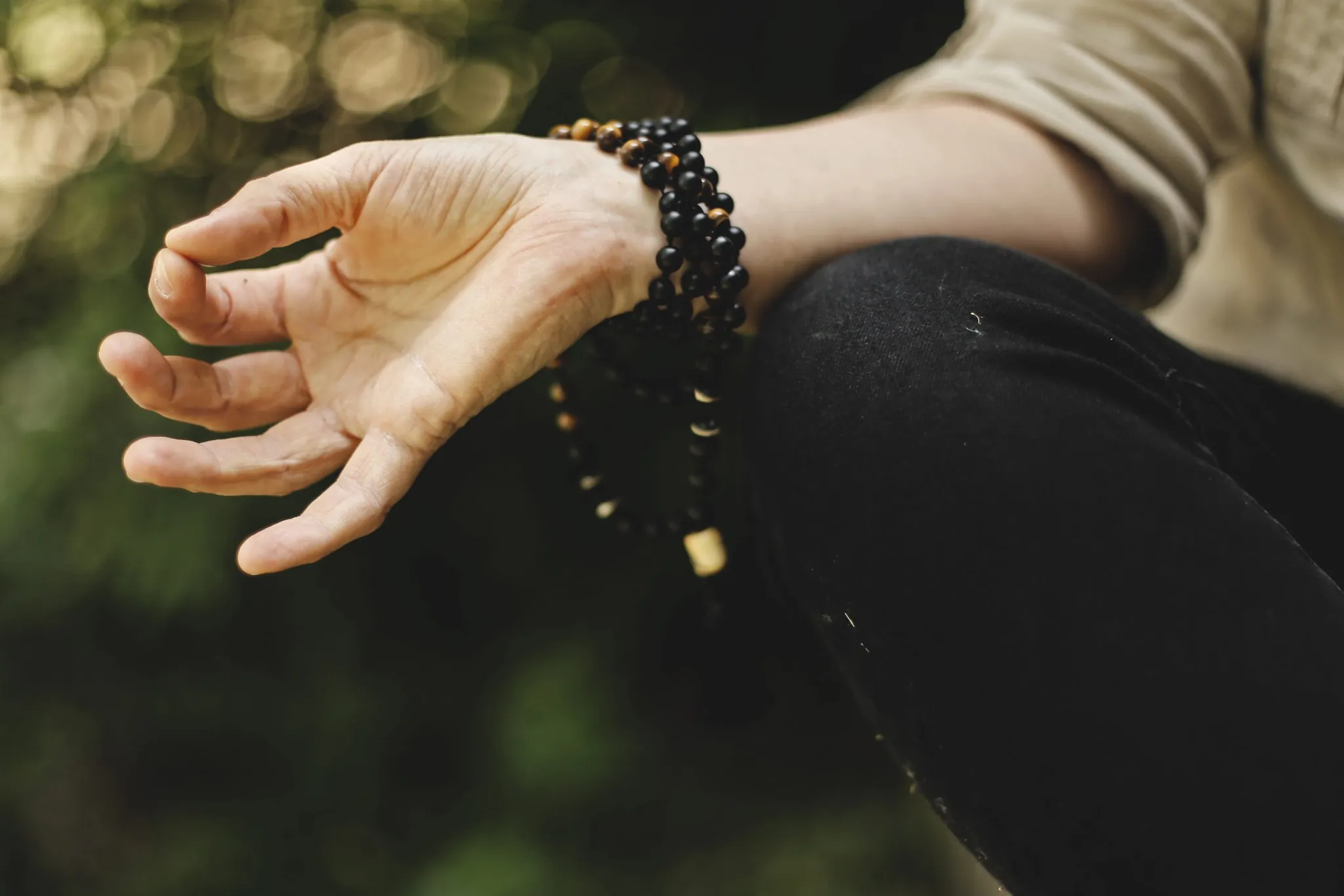
In many ways, puzzle solving is akin to meditation. Your mind is absorbed in a single activity, and not bogged down by the stresses of reality. You’re not focusing on problems or responsibilities, but rather on a singular task in front of you. One designed solely for your enjoyment.


Books like sudoku, word searches, cryptograms, etc. are all designed to keep your mind active – but they don’t necessarily have to be difficult (unless you choose them to be). Many people have even turned to adult coloring books as a way to occupy their brains without needing to overthink in the least.


In a world where everything feels rushed and overly complicated, it’s nice to focus on simpler things. It’s comforting to take on a task that has set boundaries, set answers, and can be completed at your own pace. No rushing, no stress, no consequences.


Not everything needs to be about productivity or competition. Sometimes, the best parts of life are sitting down with a nice cup of tea, opening a puzzle book and spending some time working through a challenge that’s only there for your own curiosity.

 

Guest article from alisonbremner.com

In today’s world it can seem like there is too much to get done with not enough time to do it.Do you ever feel overwhelmed? Do you ever feel like the world is crashing down on you? When you are in this state, your brain is in what doctors call a chronic “fight or flight” or sympathetic state. In this state your body can’t heal or be in a place of balance. When you have these feelings of being overwhelmed, it can seem impossible to overcome, however there are some simple steps you can implement to ease this feeling.  


#1 Exercise

This can seem like such a simple tip. Many times when we are stressed we feel like there is no time to exercise. When I say exercise, this can be as simple as a 30 minute walk. The reason why exercise is so important is because humans are designed to move. Our bodies aren’t meant to sit and be indoors. When we get movement everyday, our blood gets moving and more oxygen circulates in our bodies. This helps with healing and detoxification. Exercise also releases endorphins which will naturally decrease your stress and improve your mood.  


#2 Meditation

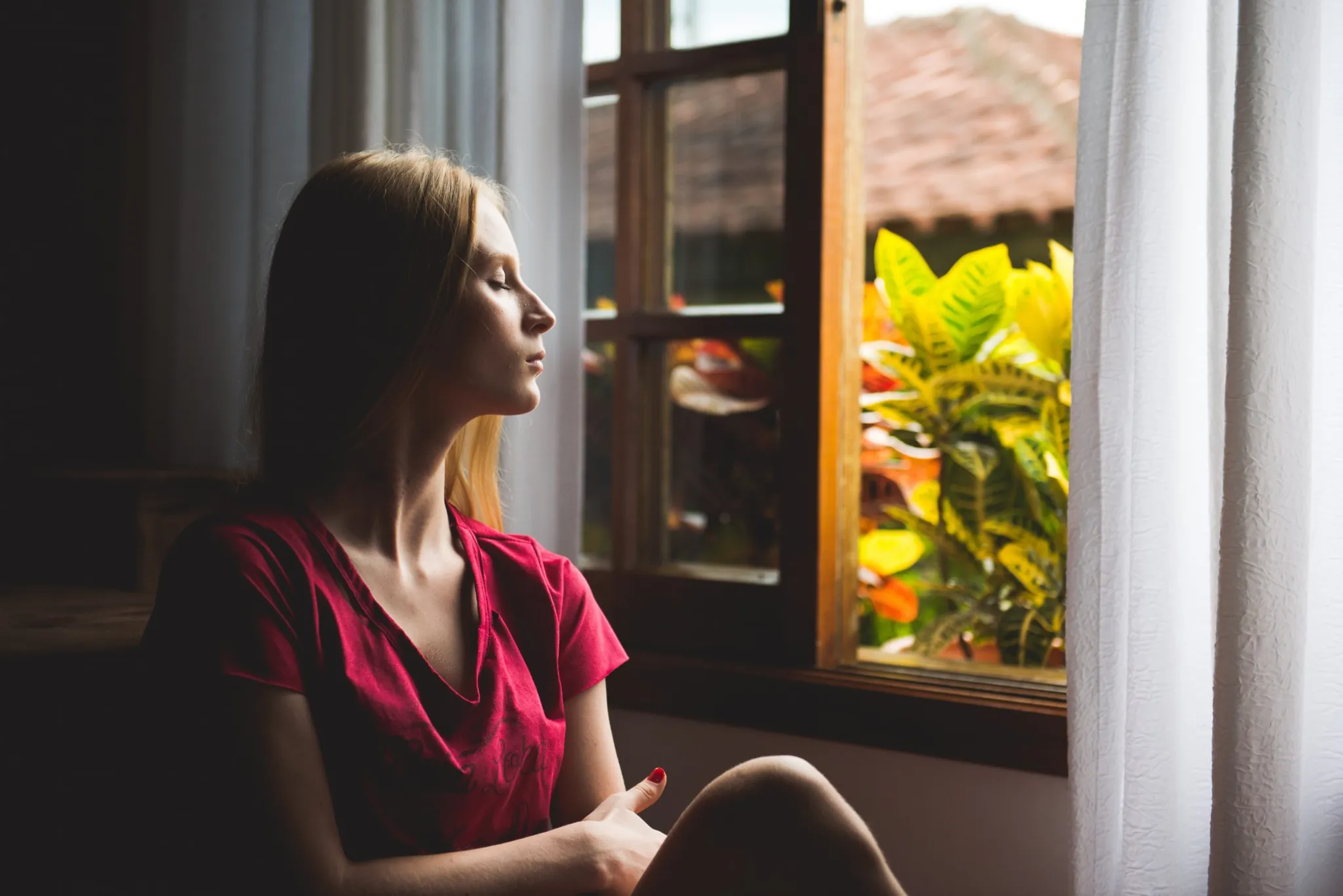
Meditation is so simple, but can be very hard for people, especially for those with an overactive mind. Have you ever tried to sit down and meditate but all you can think of is your problems and chores? I know! This used to happen to me all the time. Luckily I found this amazing app called “Insight Timer.” These are short guided meditations that focus on breathing and relaxation. The other great feature of this app is that you are able to choose what kind of meditations you want to do (i.e. sleep, happiness, anxiety) and the length of the session. Just five minutes a day can drastically and positively affect your mood and help you become more focused.


#3 Connection With Positive Family Members or Friends

We tend to isolate ourselves when we are feeling overwhelmed, likely because we want to act like we have everything together and nothing is wrong. However, this is a BIG mistake! All of the research regarding what makes people truly happy has discovered that social connections are the most important factor. There is a wonderful documentary called “Happy” that uncovers this fact. When you are feeling down and significantly stressed, it is important to connect with friends and family that support you. The one thing to remember is that you need to connect with positive, supportive people. You don’t want to get together with someone and talk about how terrible things are. If you just complain back and forth, this tip can actually have the opposite effect on your health. Think of someone that instantly brings a smile to your face when you see them. If you can’t think of anyone, then now is a great time to find some new friends or a support group.


These are three tips you can implement yourself, however if you’re really struggling and feel like you need some outside help, there is absolutely nothing wrong with that. A professional might be just what you need to get your life back on track.

  Remember that YOU ARE ENOUGH and you have the power to change your life and start living the life you truly desire!

If you enjoyed this article please visit www.alisonbremner.com for more health tips and support on your journey back to balance and health.  

Yours in Health,

Dr. Alison Bremner

Photo via Unsplash  

We all know that establishing and maintaining a health and fitness routine should be one of our top priorities in life. In fact, the US Center for Disease Control says that regular physical exercise can reduce the risk of cancer, diabetes, arthritis and improve mental health. By making health and fitness a priority we stand a better chance of being successful on the job, with our families and on the road to recovery. But that doesn’t mean it’s easy.


There are many ways that you can support your addiction recovery with health and fitness goals, without adding stress to your schedule or busting your budget. It’s so important that physical activity be a part of your recovery process; recent studies have found that the more you exercise the less likely you are to be tempted by illicit drugs. This is because these activities allow you to focus your mind and can relieve stress and anxiety, both of which are triggers for relapse in many individuals who are in recovery.


Some people prefer going to the gym, hiring a person trainer or signing up for group fitness classes. For others, however, working out at home is a more reliable and economical option. Here are a few ways you can boost your addiction recovery with two mind-body workouts: yoga and pilates.


Yoga and Mindfulness

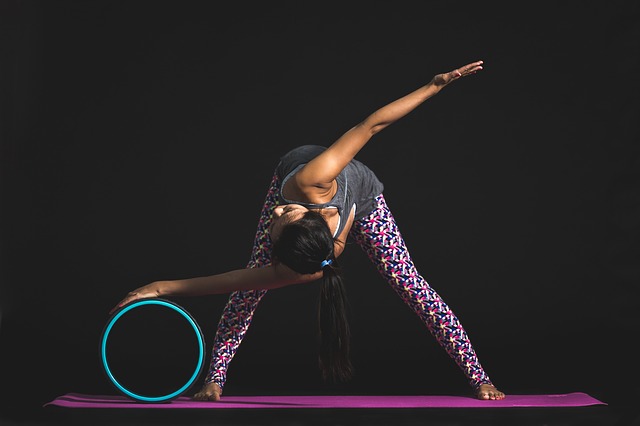
As you already know, overcoming addiction is a two-fold path: you have to fight both the physical cravings for a substance, as well as the mental and emotional reliance on the habit. Meditation and yoga can provide relief by offering tools to reduce stress and improve balance and strength. You can add yoga to your home routine by:

  • Looking up free videos on YouTube, using a free app on your phone or learning through a simple Google search.
  • Setting aside 15 minutes each morning for yoga, making sure 3 minutes of your practice is focused on meditation.
  • Building on your yoga practice each week with new poses and additional time– try to get to 30 minutes of physical practice and 10 minutes of meditation


Yoga can help you “ride the wave” of addiction cravings. When you’re stressed out, doing breathwork–called pranayama–can help keep you calm. Bonus: many yoga poses help build long, lean muscle, adding to your body’s healing as you work off the physical consequences of substance abuse.


Pilates and Stretching

Pilates is another exciting exercise that benefits the mind and body. You can take expensive pilates classes at a studio, visit the more basic ones at a local big-box gym or watch videos at home. However, if you’re trying to squeeze pilates into a busy schedule, here are a few tips to try to keep your body (and budget) in shape.

  • Find a studio or a gym close to work and keep a gym bag in your car.
  • Sign up and pay for classes ahead of time to make sure you still go to class even at the end of a long day.
  • Take a few private lessons so you can build the knowledge and confidence you need to workout at home.


Pilates works the core, which is much more than just your abdominal muscles. A strong core helps build muscle in the legs and improves physical balance. By encouraging long, slow movements, pilates can also help steady and calm an anxious mind.


Yoga and pilates are two ways to bring a fitness routine into your addiction recovery work, but there are other exercises that can also maximize your time and budget, like jogging or swimming. The important thing is that you find something that interests and motivates you, while also promoting a positive outlook on your new life.